
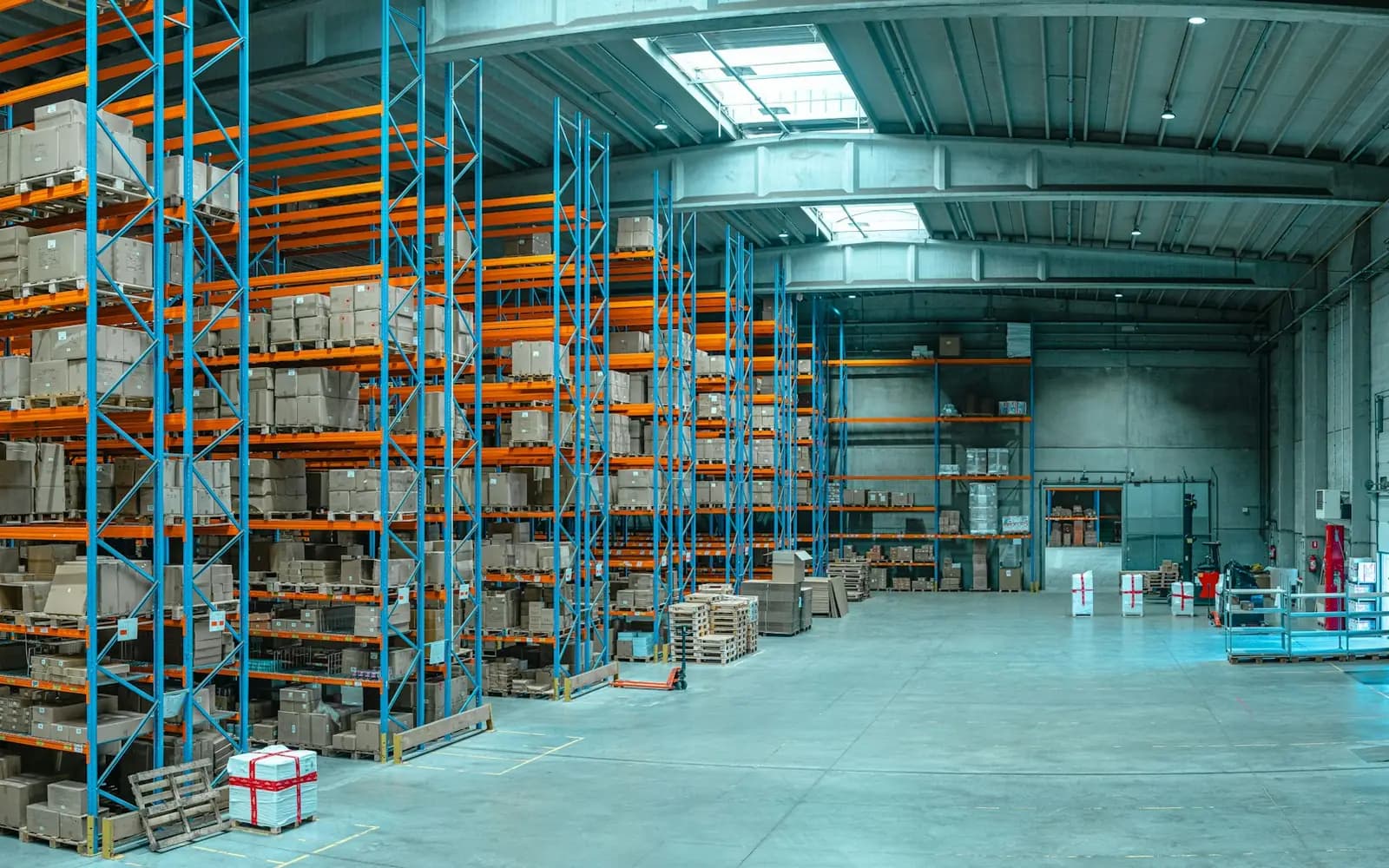
Storage
How to Organize Storage Units to Maximize Space
A well-packed unit holds far more than a messy one and keeps everything reachable. These seven habits make the difference.
Storage · April 29, 2025 · 4 min read
Most of us own more than our closets can hold. Whether you are between apartments or just want your living room back, a storage unit is a sensible way to keep things you do not use every day but are not ready to sell or donate.
Units come in many sizes, with or without climate control, and you pay for every square foot. Packing it thoughtfully means you can often rent a smaller unit and still find what you need later. Here is how our storage services crews load units to get the most out of them.
Seven Ways to Make the Most of Your Storage Space
- Step 1
Line the walls first
Work from the outside in. Start at the back wall, then build along both sides, and leave a center aisle so you can walk in safely and keep stacking as more items arrive. In a drive-up unit, keep temperature-sensitive pieces away from the door and exterior walls. In an indoor, climate-controlled unit you can use all three walls freely.
- Step 2
Start with the big stuff
Load the largest, heaviest pieces first. They are sturdy enough to support weight on top and they need floor space you will not have later. Wide, bulky items such as an executive desk or sectional go against the back wall. Taller, slimmer pieces such as dressers and bookcases work well along the sides.
- Step 3
Play Tetris on the side walls
Height is free space. Build stable stacks from floor toward ceiling, with heavy, solid items low and light boxes on top. Sofas and entertainment centers can often stand on end to save floor area. Just keep each stack balanced so nothing becomes top-heavy.
- Step 4
Disassemble large items
Dining tables, bed frames, nightstands, and some sofas take far less room in pieces. Put screws and brackets in a zip-top bag, label it with the item name, and tape it to the furniture so the hardware never goes missing. Our furniture movers handle disassembly and reassembly as part of the job.
- Step 5
Add shelving to the unit
You cannot drill into a unit's walls, but freestanding shelves set along them turn dead vertical space into organized storage. Shelving is ideal for small or fragile boxes because nothing has to be stacked directly on top of them.
- Step 6
Use pallets to stack boxes
Pallets keep boxes off the floor, which protects them from any moisture, and they give you a flat, stable base for tall stacks. Put the heaviest boxes on the bottom so towers do not lean. Use sturdy cartons of uniform size, since flimsy cardboard can crush under weight, and stretch-wrap groups of boxes together for added strength. Our packing services team uses double-wall boxes for exactly this reason.
- Step 7
Use drawers to your advantage
Dressers, desks, and cabinets are storage containers in their own right. Fill drawers with small items, linens, or keepsakes rather than leaving them empty. If you store anything of real value, check the facility's requirements and review your coverage options, including moving insurance for the trip there.
Before You Close the Door
Keep it findable
- Label every box on at least two sides
- Keep an inventory list on your phone
- Put items you may need soon near the front
- Leave a clear aisle to the back wall
Keep it safe
- Heaviest items low, lightest on top
- Nothing leaning against the door
- Furniture covered with pads or breathable sheets
- No perishables, plants, or flammables
An Organized Unit Pays for Itself
A thoughtfully packed unit protects your things, keeps clutter out of your home, and saves you money on space you do not need. It is also a lifesaver during a move when timelines shift unexpectedly. If you would rather not spend a weekend playing Tetris, MPs New York can pack, transport, and load your unit for you. Start with a free quote.
Let Us Pack and Load Your Storage Unit
Our crews wrap, stack, and organize your belongings so every square foot works for you.